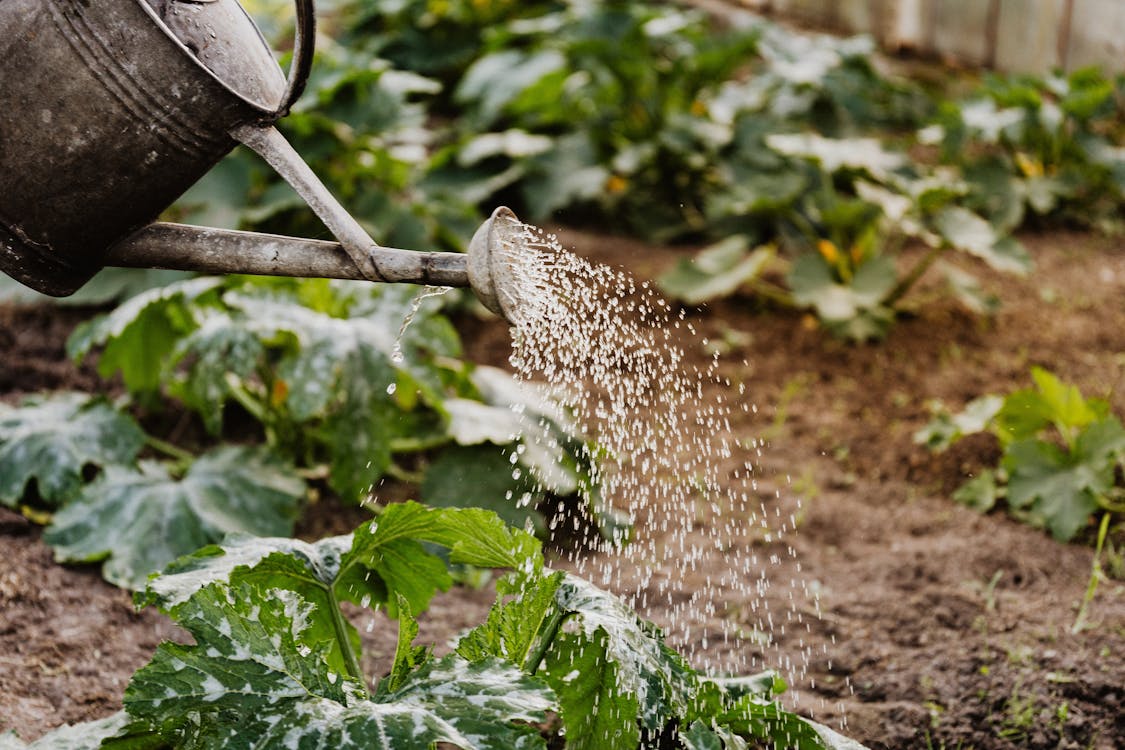
Sarah had never grown anything in her life. She killed houseplants. Her thumb wasn't just "not green", it was black. Yet 8 months after starting with a proven backyard growing system, she'd harvested over $900 worth of fresh vegetables and herbs.
Her secret? She stopped trying to "figure it out" and started following a system designed specifically for people with zero experience.
The Problem With "Just Start Gardening"
Most gardening advice assumes you already know the basics. It tells you to "plant tomatoes in full sun" but doesn't explain:
- What "full sun" actually means for your specific location
- When to plant (hint: it's not the same everywhere)
- Which tomato varieties actually produce for beginners
- How to keep them alive once they're in the ground
This is why 73% of first-time gardeners give up after one season. Not because growing food is hard, but because they're missing the system that makes it simple.
What Changes When You Have a System
A proper beginner growing system answers three critical questions:
The Three Questions Every Beginner Needs Answered:
- Exactly WHAT to plant - Not 50 options. The 8-10 crops that produce the most food with the least effort in your climate.
- Exactly WHEN to plant it - Calendar-based schedules that tell you what to do each week, not vague "spring" advice.
- Exactly HOW to keep it alive - Simple daily/weekly checklists that prevent the common mistakes that kill crops.
With these three questions answered, complete beginners regularly achieve what took experienced gardeners years to learn.
What $1,200 in Annual Savings Actually Looks Like
Let's break down what beginners typically grow in their first year following a proven system:
| Crop | Growing Weeks | Weekly Value | Annual Savings |
|---|---|---|---|
| Lettuce & Greens | 40 weeks | $7 | $280 |
| Tomatoes | 20 weeks | $9 | $180 |
| Fresh Herbs | 48 weeks | $5 | $240 |
| Peppers | 16 weeks | $6 | $96 |
| Cucumbers | 14 weeks | $5 | $70 |
| Green Beans | 12 weeks | $5 | $60 |
| Zucchini | 10 weeks | $6 | $60 |
| Carrots | 30 weeks | $4 | $120 |
| Radishes | 35 weeks | $3 | $105 |
| TOTAL FIRST YEAR SAVINGS | $1,211 | ||
Note: Values based on average grocery store organic produce prices. Your savings may be higher depending on local prices.
The Biggest Myth About Growing Your Own Food
Myth: "You need a lot of space and time."
Reality: The beginners seeing $1,000+ in annual savings are using:
- 100-150 square feet of growing space (about the size of a small bedroom)
- And that applies to outdoor or backyard setups; for indoor growing, even a 3 × 3 foot area is sufficient.
- 15-20 minutes per day on average
- $150-250 initial investment in seeds, soil, and basic supplies
That initial investment is typically paid back in the first 2-3 months through grocery savings. Everything after that is pure savings.
Why Most Beginners Fail (And How to Avoid It)
After analyzing hundreds of failed first-time growing attempts, three problems emerge:
Problem #1: Information Overload
They read 20 different blog posts, get 20 different opinions, and end up paralyzed by choice. They plant the wrong things at the wrong time.
→ Solution: Follow ONE proven system designed for beginners in your climate.
Problem #2: Wrong Expectations
They expect to be experts immediately. When something goes wrong, they assume they're "bad at gardening" and quit.
→ Solution: Understand that year one is about learning the system. Year two is when you optimize.
Problem #3: No Succession Planting
They plant everything in May, harvest in July, then have nothing for the rest of the year.
→ Solution: Follow a succession planting calendar that keeps production going 9-10 months per year.
What You Can Expect in Your First 12 Months
Months 1-2: Setup & First Plantings
- Prepare your growing space (easier than you think)
- Plant your first cool-season crops
- Establish your 15-minute daily routine
- Investment: $150-250 in supplies
Months 3-4: First Harvests Begin
- Start harvesting lettuce, greens, radishes, and herbs
- Plant warm-season crops (tomatoes, peppers, cucumbers)
- See your first grocery bill reductions
- Typical savings so far: $180-280
Months 5-8: Peak Production Season
- Heavy harvests from tomatoes, peppers, cucumbers, and beans
- Continuous lettuce and herb production
- Plant fall crops to extend your season
- Typical savings so far: $600-850
Months 9-12: Extended Season Harvests
- Fall crops producing well into winter
- Year-round herb harvests continue
- Plan improvements for year two
- Total first-year savings: $1,000-1,400
The Real Reason to Start Now
Every month you wait is roughly $100 in produce you're buying instead of growing.
But it's more than just money:
- Food quality: Homegrown vegetables taste incomparably better than store-bought
- Food security: Supply chain issues don't affect your salad anymore
- Family activity: Kids who grow food are more likely to eat vegetables
- Mental health: 15 minutes outdoors daily, doing something productive and meditative
- Pride: There's genuine satisfaction in feeding your family from your own backyard
The Choice Is Simple
You can spend the next 12 months paying rising grocery prices for produce that was picked unripe, shipped across the country, and sits in your fridge losing nutrients.
Or you can invest $150-250 once, spend 15 minutes a day following a simple system, and save $1,000+ per year while eating the freshest, best-tasting produce you've ever had.
Here's What to Do Right Now:
- Get the proven backyard growing system designed specifically for beginners
- Identify 100-150 square feet of space you can use (backyard, patio, even containers)
- Follow the climate-specific setup guide
- Start your first plantings this week
- Begin harvesting in 4-8 weeks
The families who started last year are now $1,200 ahead.
The families who start this week will be $1,200 ahead this time next year.
The families who wait will still be wondering why their grocery bills keep rising.
Sources
- USDA Economic Research Service - Food Price Outlook and Agricultural Statistics
- National Gardening Association - Food Gardening Survey Data
- Bureau of Labor Statistics - Consumer Price Index for Food and Beverages
- University Extension Services - Home Garden Production Estimates
Note: Savings estimates, production timelines, and growing success rates are approximations based on typical scenarios and conditions. Individual results will vary based on climate zone, space availability, time investment, crop selection, and growing experience.