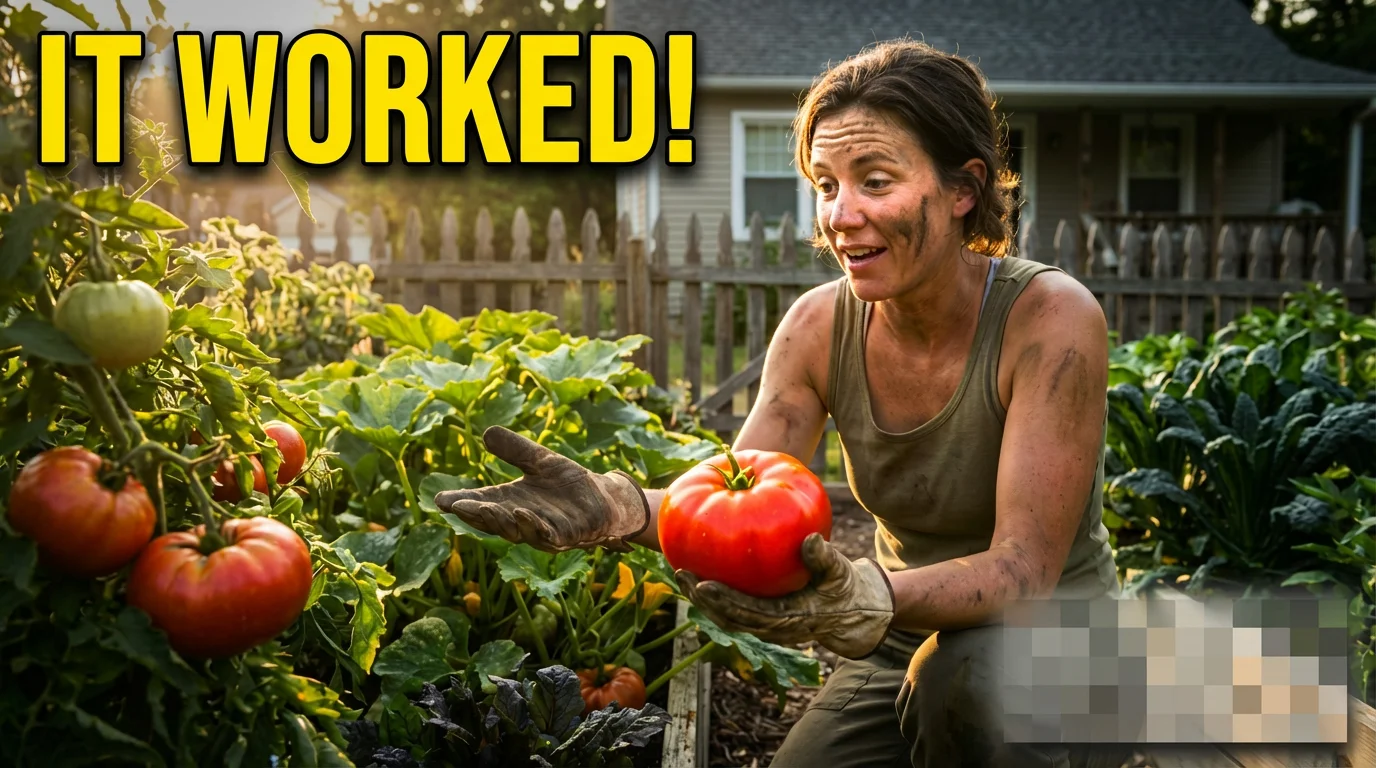
Most people fail at self-sufficiency because they try to do too much. A simple minimum setup is often enough.
One Backup Energy Source
A portable solar generator can keep essential devices running when the grid goes down.
One Water System
- Store water in advance
- Collect rainwater
- Filtering tools can make collected water safe without electricity
One Month of Shelf-Stable Food
Not freeze-dried rations. Real food that stores well:
- Rice and pasta
- Canned beans and vegetables
- Peanut butter and oils
- Dried fruit and nuts
One Home Food System
If you want to expand food sustainability, this guide focuses on practical essentials and self-sufficiency. Even small amounts of home production can reduce exposure to shortages.
For individuals who do not want to garden or who live in apartments with limited or no outdoor space, indoor hydroponic systems are a practical option. They automate watering, lighting, and nutrient delivery, remove soil and weather constraints, and allow consistent production of fresh greens, herbs, and vegetables with minimal daily effort.
NASA studies show that hydroponic systems can produce 3 to 4 times more per square foot than traditional gardening.
That Is the Foundation
Once these basics are in place, refinements make sense. Before that, added complexity often undermines reliability.