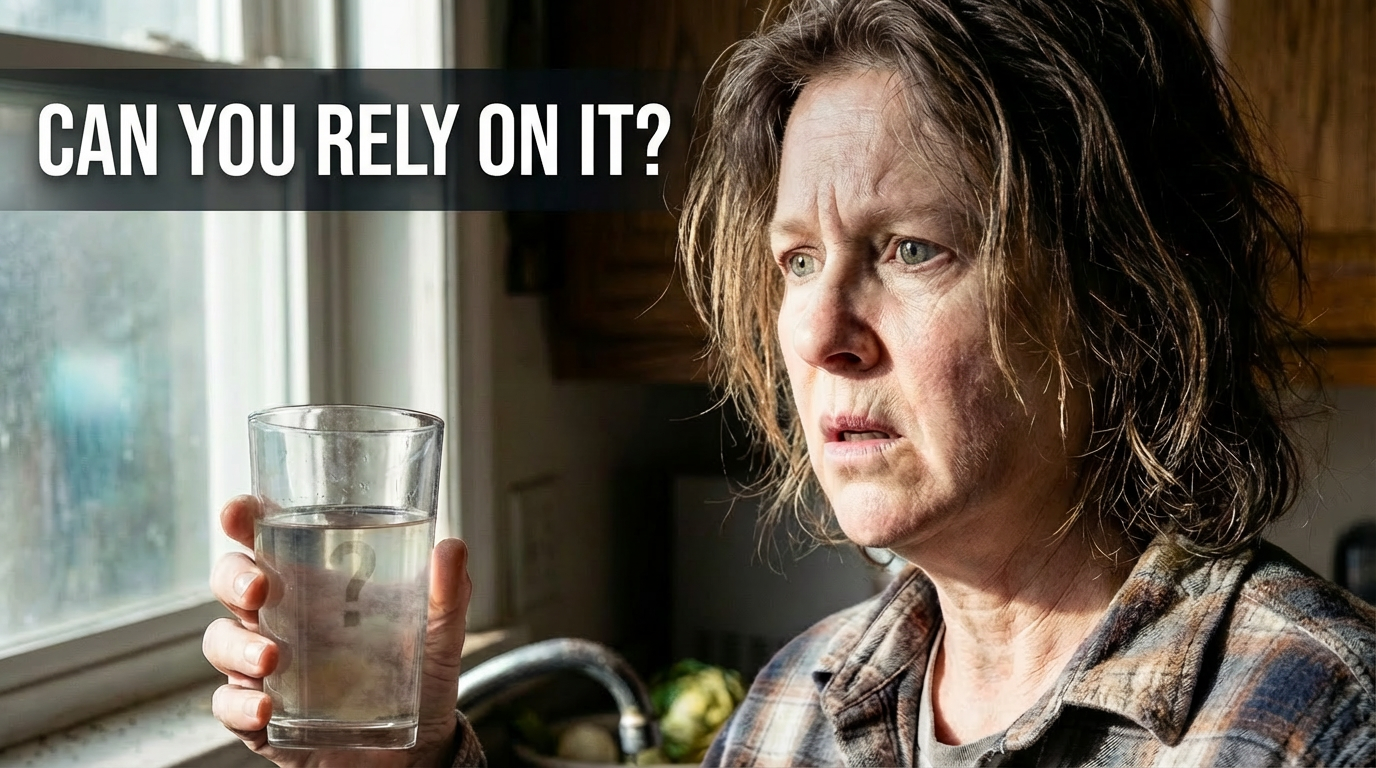
Over the past decade, water has shifted from a background utility to a visible constraint.
Wildfires now require massive water deployment.
Droughts last longer and affect wider regions.
Municipal systems are under increasing pressure.
These are not projections. They are documented trends.
The Pressure Points
- Hotter, drier seasons increase fire frequency
- Fire suppression requires immediate, high-volume water access
- Agricultural regions compete with urban supply
- Infrastructure was not built for prolonged stress
In several regions, water restrictions are no longer exceptional. They are seasonal.
Practical Ways to Potentially Reduce Dependence
Rainwater harvesting
Standard collection setups allowing non-potable use without drawing from the grid.
Atmospheric water systems
Air fountain extracts usable water directly from air humidity.
Portable filtration
Mini water filtration systems ensure safe drinking water regardless of source.
This is not about emergencies, but about resilience during everyday disruptions.
Sources
- National Oceanic and Atmospheric Administration (NOAA). "U.S. Drought Monitor." droughtmonitor.unl.edu
- U.S. Forest Service. "Wildfire Statistics." USDA Forest Service
- Environmental Protection Agency (EPA). "Drinking Water Infrastructure Needs Survey and Assessment." EPA.gov
- American Water Works Association. "State of the Water Industry Report." AWWA.org
- United Nations Water. "The United Nations World Water Development Report 2023." UN Water
- National Integrated Drought Information System (NIDIS). "Drought Impacts." Drought.gov
- American Society of Civil Engineers. "2021 Infrastructure Report Card: Drinking Water." ASCE Infrastructure Report